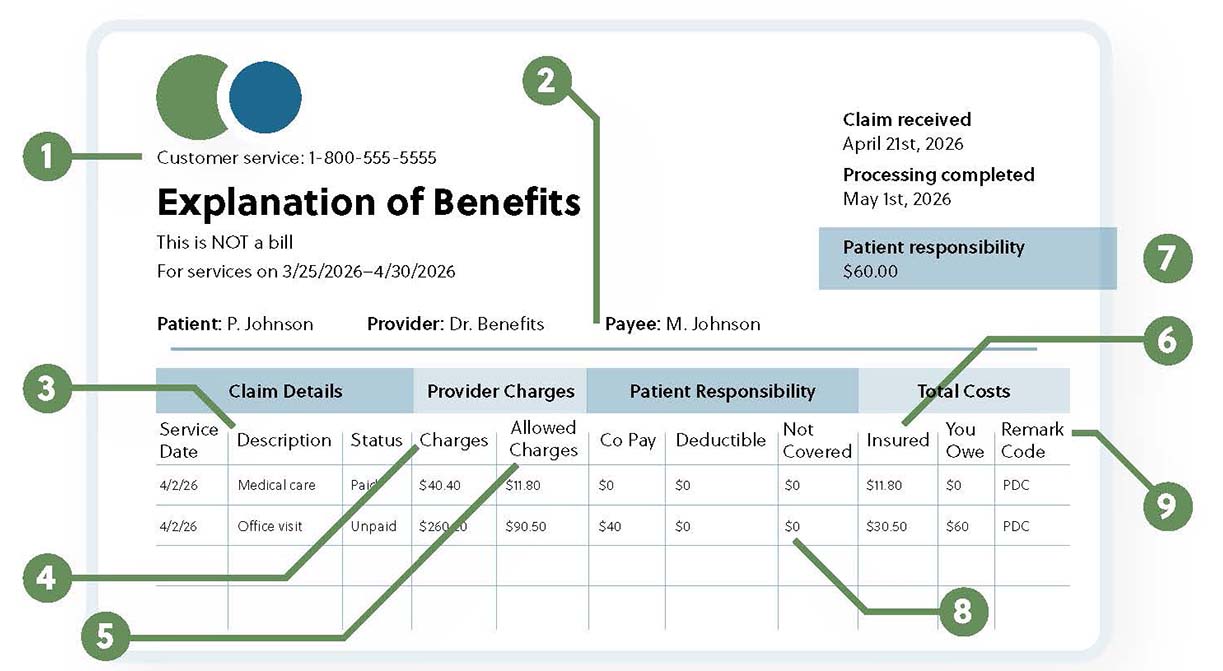
Employers with large hourly, seasonal and variable-hour workforces often face a difficult balancing act. Rising healthcare costs, ongoing compliance requirements and diverse workforce needs can make it challenging to build a benefit strategy that works for both the organization and its employees. As a result, many...
Holiday weeks can pose an extra administrative challenge to employers with employees on leave under the federal Family and Medical Leave Act (FMLA). In addition to their regular FMLA obligations, employers must figure out how to calculate employees’ leave use when the leave coincides with...

Offering more medical plans can seem like a way to increase employee choice. In practice, many employers now offer five or more options, and that creates complexity instead of clarity. As employers evaluate their benefits portfolios, many are looking for ways to improve employee decision-making...

When it comes to motivating employees, one size does NOT fit all, and with the cost of health insurance soaring, employers are caught in a difficult position. They need to manage their budgets, but they cannot afford to alienate employees by stripping down coverage. To bridge...

The Americans with Disabilities Act (ADA) restricts the actions an employer may take with respect to employees with disabilities. Among the ADA’s restrictions are limitations on an employer’s ability to require employees and applicants to undergo medical examinations or answer questions regarding medical conditions. The ADA...

For employers that use a biweekly payroll schedule, 2026 will be an unusual year. Due to the way the calendar falls and the placement of the New Year’s Day federal holiday, many organizations that typically run 26 biweekly payrolls will instead issue 27 paychecks during...

In 2026, the employee benefits market is being shaped by a variety of trends, including regulatory volatility, shifting compliance priorities, accelerated cost pressures and ever-evolving workplace demands. Here are compliance trends to watch for:   On July 4, 2025, a sweeping tax and spending bill, commonly...

The Affordable Care Act (ACA) created reporting requirements under Internal Revenue Code (Code) Sections 6055 and 6056. Under these rules, certain employers must provide information to the IRS about the health plan coverage they offer (or do not offer) to their employees. Under the original rules,...