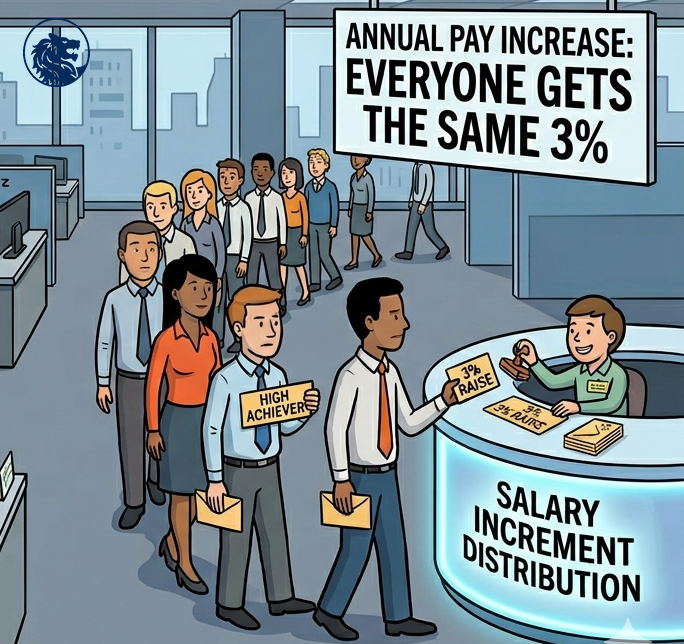
An annual standardized wage increase is a uniform percentage or flat-dollar raise given to employees, often regardless of individual performance. These increases typically range from 2% to 4%, though this varies by industry, company size and economic climate. More employers are taking this “peanut butter”...


Project delays and cost overruns are common in the construction sector, as project delivery depends on many moving parts and can be disrupted by factors such as adverse weather, economic volatility, and shifting scope and design requirements. When projects are delayed or exceed their initial budget,...

Workplace injury is no longer just physical. Mental and psychological claims are rising rapidly—and for risk managers and PEO professionals, they represent a more complex, costly, and strategic exposure. This shift isn’t temporary. It’s redefining how workplace risk must be managed. Why Psychological Claims Are Increasing Several forces...

The past few years have seen a rapid expansion in artificial intelligence (AI), with many businesses leveraging this technology to automate workflows and administrative tasks, analyze vast amounts of corporate data, and enhance customer service offerings. However, as more businesses integrate AI-powered tools into their...

Can a Full Time, Exempt Professional Development Nurse Receive Overtime Pay While Working as an Hourly Staff Nurse? On May 28, 2026, the U.S. Department of Labor (DOL) issued Opinion Letter FLSA2026-5, addressing the overtime implications when an exempt employee under Section 13(a)(1) of the Fair...

Businesses rarely remain static. Signing new contracts, operating from different locations or adopting alternative methods of working are just some of the ways a company’s risk profile can change. Consequently, coverage that was once appropriate may fall behind as risks evolve, especially amid broader market...

The Americans with Disabilities Act (ADA) restricts the actions an employer may take with respect to employees with disabilities. Among the ADA’s restrictions are limitations on an employer’s ability to require employees and applicants to undergo medical examinations or answer questions regarding medical conditions. The ADA...

For employers that use a biweekly payroll schedule, 2026 will be an unusual year. Due to the way the calendar falls and the placement of the New Year’s Day federal holiday, many organizations that typically run 26 biweekly payrolls will instead issue 27 paychecks during...

Across sectors, artificial intelligence (AI) is transforming how companies operate, helping to automate processes and drive efficiencies. However, as companies race to adopt AI and monetize its potential, they may overhype AI-powered processes or features to showcase innovation and attract investors. This has led to...